Appliance Upgrades Start Inside: What Hair Care Brands Should Look for in PCBA Design
China’s National Day shopping season is putting appliance replacement back in the spotlight. An October 4 CCTV report, republished by Beijing Daily, highlighted the release of RMB 62.5 billion in consumer trade-in funding ahead of the holiday.
For hair care brands and appliance manufacturers, this raises a useful product development question: when customers replace an appliance, what meaningful improvement will they experience?
The news does not establish subsidy eligibility for hair dryers, straighteners or curling irons. Its relevance here is the broader focus on product replacement—and the engineering decisions that can make a new product worth choosing.
For hair care appliances, those decisions begin inside the product, with the control board and embedded firmware.
Turn an Upgrade Promise into an Engineering Requirement
“Faster drying,” “consistent heat” and “easy operation” are useful product goals. Before development begins, however, each needs a measurable definition.
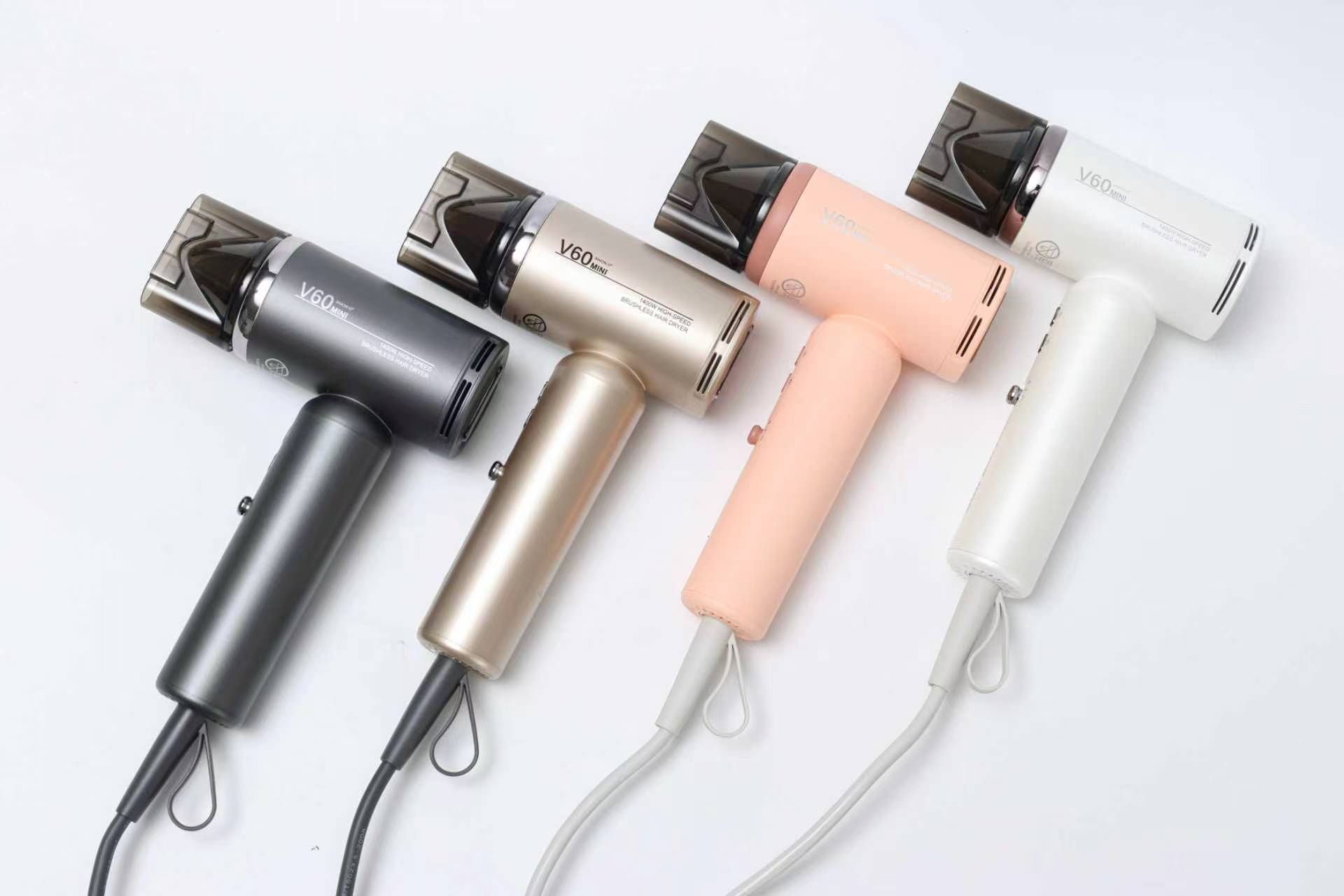
For a high-speed hair dryer, a project brief should specify the motor, operating voltage, power budget, speed settings and intended airflow performance. For a straightener or curling iron, it should define temperature settings, warm-up behavior and the response when temperature feedback becomes abnormal.
These requirements give the PCBA developer a clear basis for selecting components, designing control logic and planning validation.
They also help purchasing teams compare proposals on more than board price.
Evaluate BLDC Control with the Complete Appliance
BLDC motor control is one of the capabilities presented on the CHK-TRONIC website. For a hair dryer project, buyers should discuss how the controller will be matched to the selected motor and validated in the intended assembly.
Useful evaluation questions include:
- Does the motor start reliably across the specified operating conditions?
- Are speed transitions consistent and comfortable for the user?
- How does the system respond to abnormal motor operation?
- Have the board, motor and airflow assembly been evaluated together?
A maximum RPM figure alone is not a complete product specification. Buyers should request sample testing against the finished appliance’s performance targets.
Define Temperature Behavior, Not Just Temperature Settings
A list of temperature settings tells only part of the story.
For a curling iron or straightener, the development brief should also describe how the appliance approaches its target temperature, responds during use and handles sensor faults. A hair dryer project requires its own evaluation of heater operation alongside airflow and motor behavior.
CHK-TRONIC’s curling iron control board offering covers heater regulation, temperature sensing, display logic, protection functions and embedded firmware. The exact implementation should be agreed for each project.
For procurement teams, the practical requirement is a documented test plan: what is measured, under which conditions, and what constitutes a pass.
Use Firmware to Make Product Variants Manageable
Different brands may need different button behavior, indicator patterns, default settings or operating modes.
These requirements should be captured in a firmware specification before samples are approved. Changes must remain within the validated limits of the hardware and appliance.
The embedded firmware development approach described on abcpcba.com also highlights production release control: freezing the approved version, defining the programming method and establishing test checkpoints.
For buyers managing multiple product variants, this matters. An approved sample is useful only when production units consistently receive the correct firmware and settings.
Prepare for Repeat Orders During Development
A promotional campaign may create a short sales window. Production readiness needs to be established earlier.
Before releasing a control board for manufacturing, brands and OEMs should agree on the approved bill of materials, firmware version, functional checks and process for reviewing component changes.
A practical purchasing discussion should cover both the first sample and repeat production:
What must remain consistent from the approved prototype to the next shipment?
That question connects engineering decisions with delivery reliability and the customer experience.
Discuss Your Next Hair Care Control Board with CHK-TRONIC
CHK-TRONIC provides custom PCBA design, BLDC motor control, embedded firmware and manufacturing solutions for hair care and personal care appliances.
If you are developing a high-speed hair dryer, straightener or curling iron, start with a clear technical brief.
Send your motor specifications, input voltage, power, PCB dimensions and functional requirements. Include your target market and expected order quantity so we can discuss a suitable control board solution.
Email: jack@chkcorp.cn